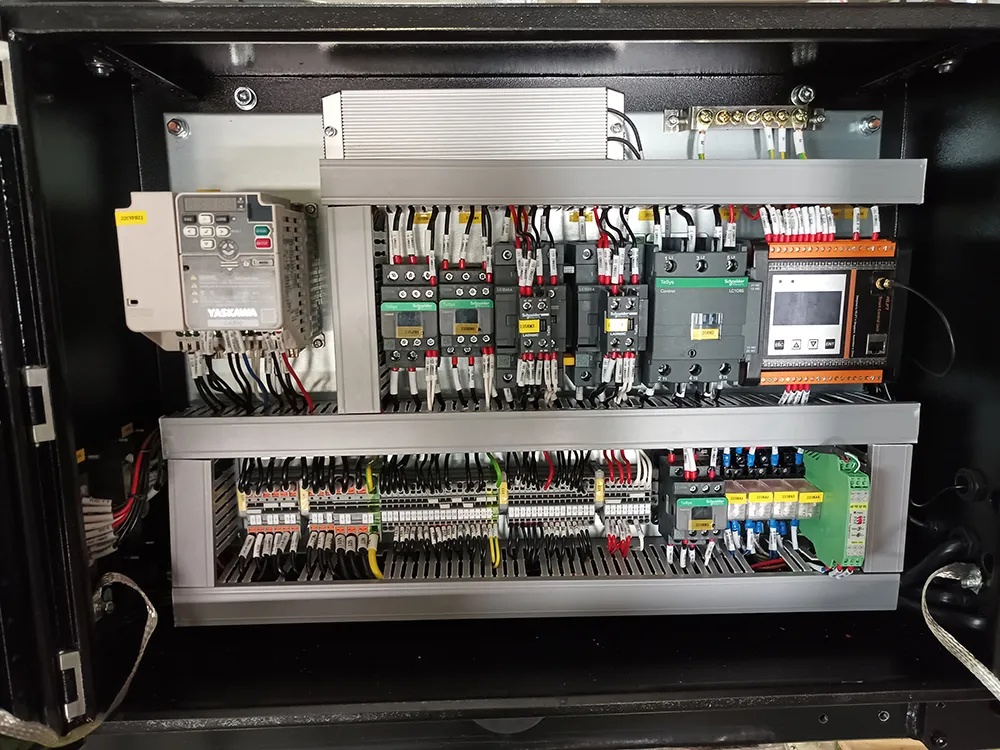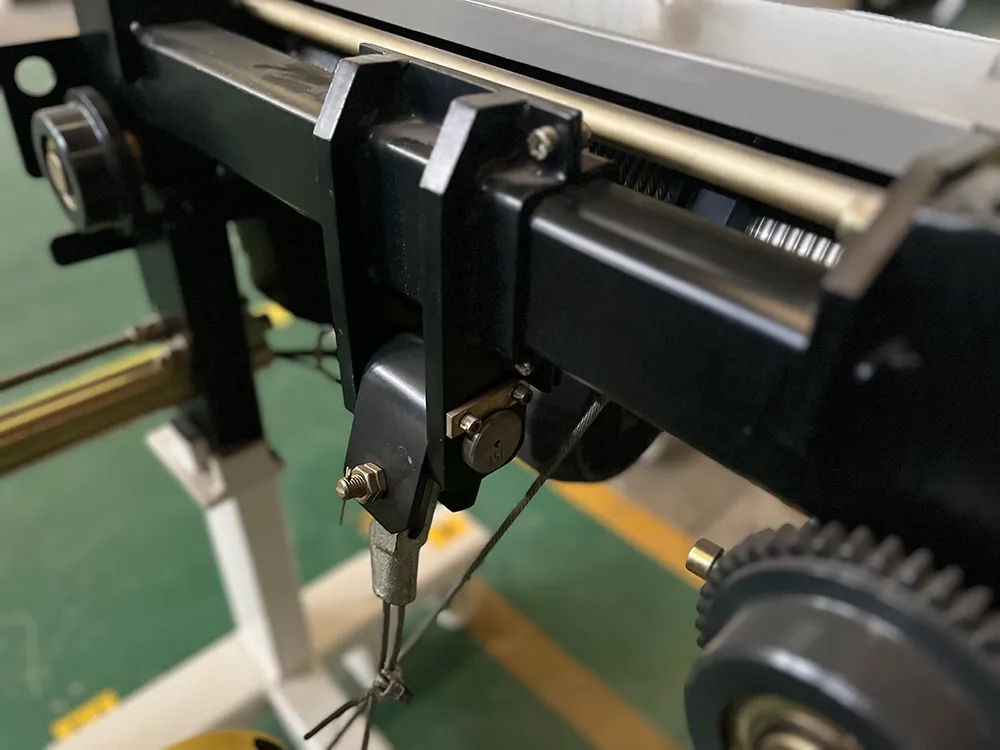



Based on the determined crane load, the overload limiter's alarm points should be set reasonably. The alarm points need to take into account the crane's design specifications, actual usage requirements, and safety standards. By setting warning alarm points and immediate alarm points, timely alerts will be triggered when the crane approaches or reaches an overload condition, reminding the operator to take appropriate actions.
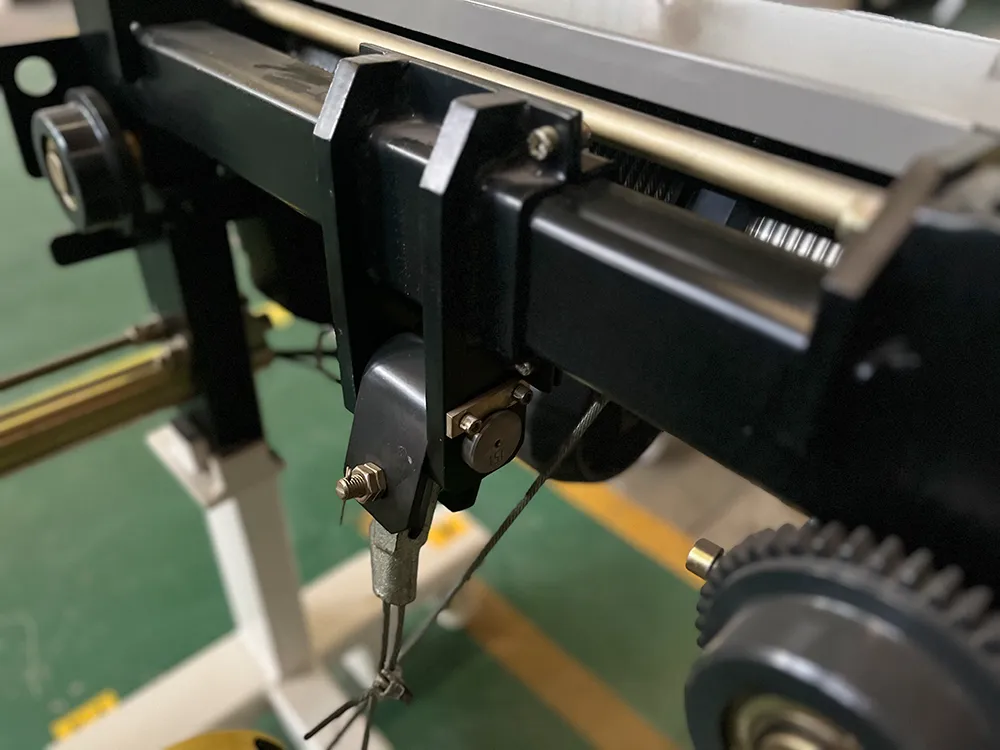
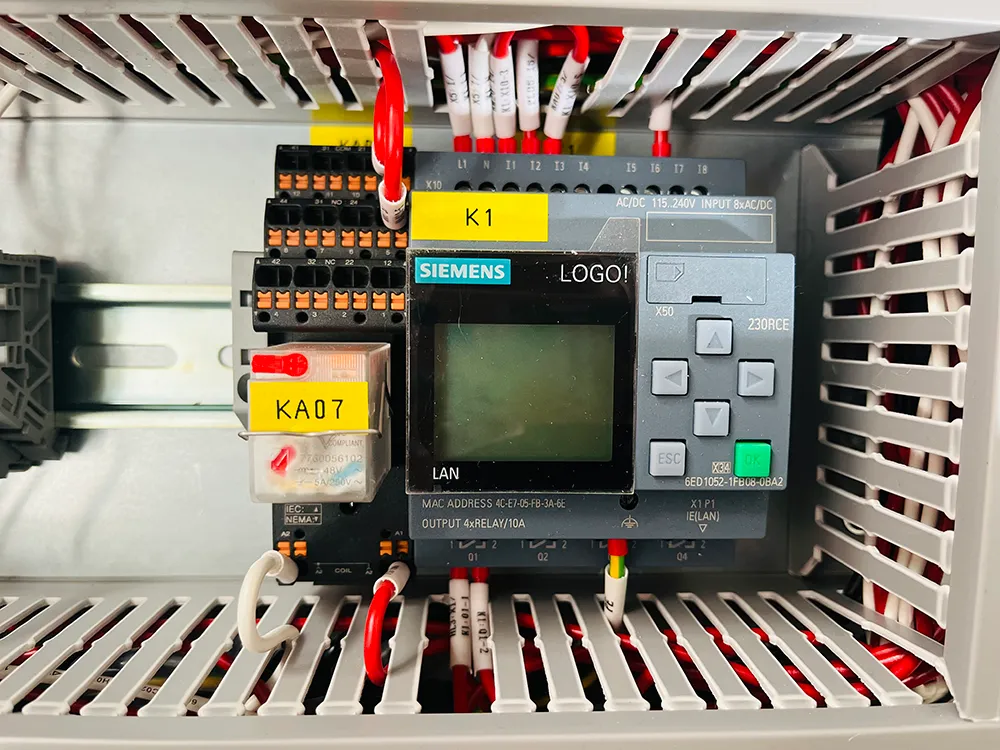
In lifting operations, the crane sets a safety threshold, i.e., the critical load, based on theoretical calculations and actual measurement results. The overload limiter closely monitors the weight of the lifted object to maintain the safety of the entire operation process. The overload limiter setting is based on the crane's maximum lifting capacity. Once the actual lifted weight reaches or exceeds this limit, immediate action will be taken. The alarm levels for the overload limiter of the bridge crane are shown in Table 1.
Table 1: Alarm Levels of Overload Limiter for Overhead Cranes and Gantry Cranes| Alarm Level | Lifting Weight to Rated Load Ratio | Alarm Action/Indicator |
| Light Load Control | ≤ 20% of Rated Load | Typically no alarm, but can be recorded or displayed |
| Warning Alarm | ≥ 90% of Rated Load | Low-frequency audible and visual alarm |
| Delayed Alarm | ≥ 105% of Rated Load (sustained for 2 seconds) | High-frequency audible and visual alarm, followed by disconnection of the lifting circuit after delay |
| Immediate Protection | ≥ 110% of Rated Load | Immediate disconnection of the lifting circuit, high-frequency audible and visual alarm |
During the actual inspection process, different levels of overload conditions should be simulated, and the response of the overload limiter should be observed and recorded.
Table 2: Design of Overload Alarm Response Test Contents| Test Item | Test Condition | Verification Method |
| Warning Alarm Response | Crane load reaches the preset warning alarm point | Observe and record the flashing of indicator lights and the sound of the buzzer |
| Delayed Alarm Response | Crane load exceeds the warning alarm point and is sustained long enough to reach the delayed alarm point | Record changes in alarm sound, observe indicator light status, and check the disconnection of the lifting circuit |
| Immediate Protection Alarm Response | Crane load exceeds the preset immediate protection alarm point | Immediately observe the disconnection of the lifting circuit and the status of indicator lights and buzzer |
| Alarm Recovery Function Verification | After the overload condition is cleared, the crane returns to a normal safe state | Manually or automatically clear the overload condition, observe the reset status of the overload limiter |
| Multi-Point Alarm Test | Gradually increase the crane load to sequentially trigger the warning, delayed, and immediate protection alarms | Record the trigger sequence and response at each alarm point |
| Repeated Alarm Test | Trigger alarms multiple times within a short period to verify the stability of the overload limiter | Perform multiple repetitions of the test, observe and record the alarm response each time |
| Interference Test | Introduce external interference (e.g., vibration, electromagnetic interference) during crane operation | Conduct the test under simulated interference conditions, observe and record the alarm response |